How moss damages your roof — and what to do about it
Most South Wales roofs have moss within a decade. Most homeowners think it's a cosmetic problem. It isn't.
How moss actually damages a roof
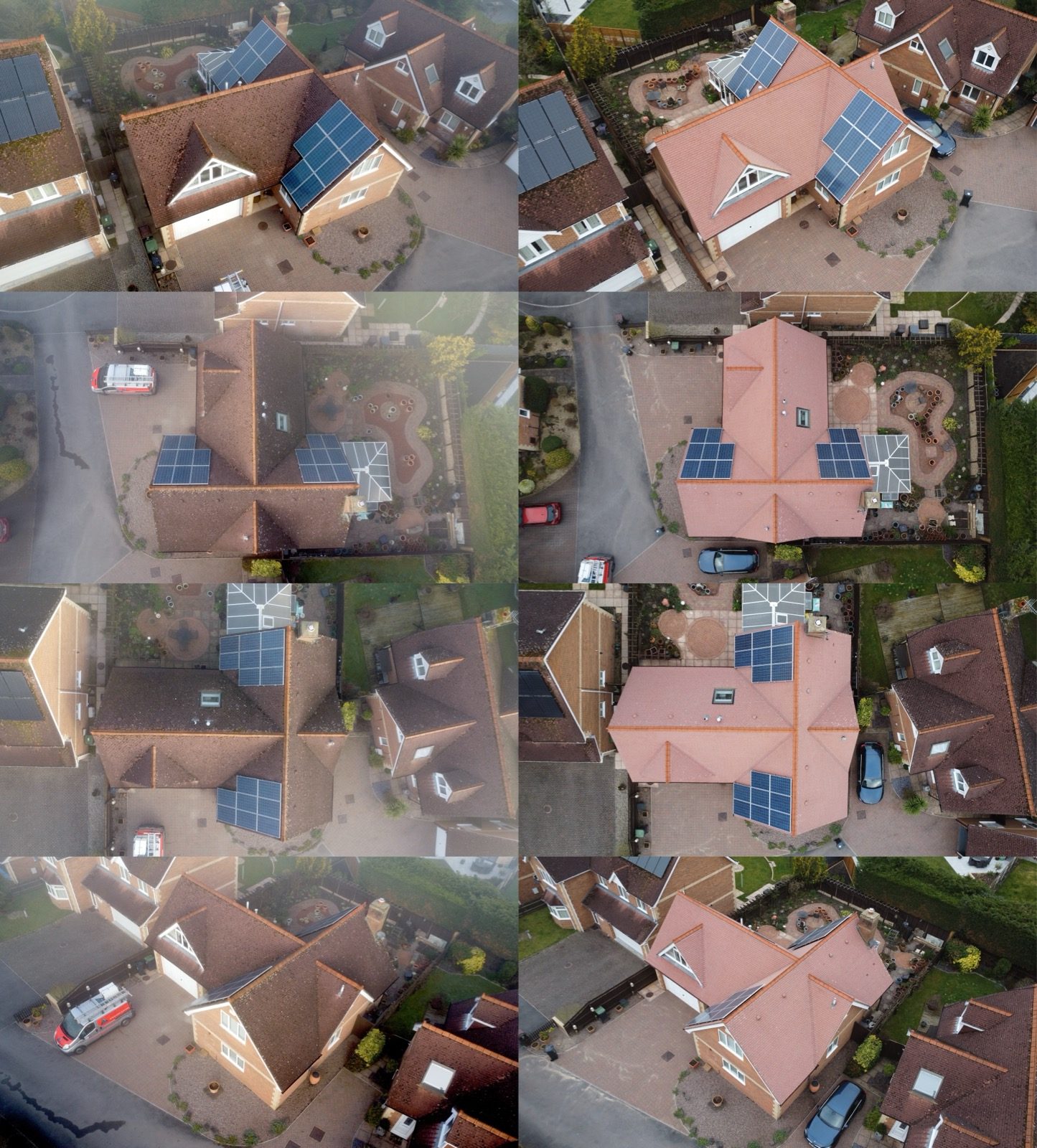
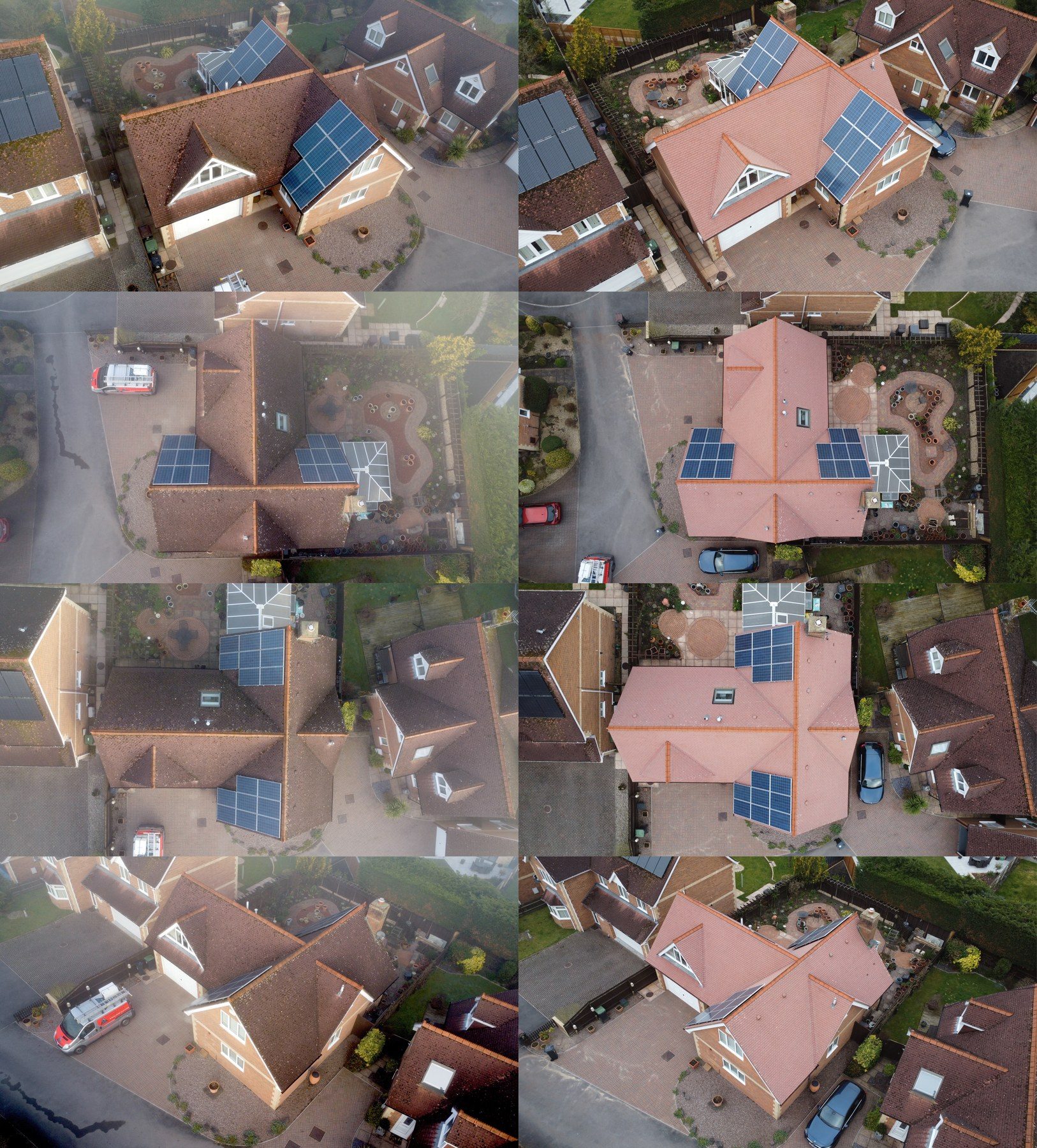
Moss is a sponge. It holds water against the tile surface long after rain has stopped. On concrete tile, that constant moisture strips the surface glaze over years. On Welsh slate, it works into the laps and freeze-thaw splits the slates apart. On clay pantile, it gets into the hooked joins and rocks tiles loose.
Worse, moss sheds. Bits of it break off in every shower and travel down the roof. They jam in the gutters, they wedge under tiles, they accumulate on flat roof sections. You end up with blocked drainage as well as compromised tiles.
Why South Wales is bad for moss
Wet, mild winters. Lots of north-facing slopes. Mature trees. Add coastal humidity in the Burry Port / Pwll strip and you've got perfect moss conditions. Most local roofs that haven't been cleaned for 8+ years have significant moss.
What works (and what doesn't)
What works:
- Manual removal first if the moss is thick (more than a few mm)
- Soft-wash or steam clean to deal with embedded algae
- Biocide treatment afterwards to stop regrowth
What doesn't:
- Pressure washing — it'll shift the moss but it'll also shift your tile glaze and force water under the felt
- Biocide on thick moss alone — kills it but leaves the mat in place, falling into your gutters for years
- Doing nothing — moss roughly doubles in coverage every 4 years
What it costs to put right
A typical semi in Llanelli or Gorseinon: £400–£600 for manual moss removal, gutter clearance, and biocide treatment. For roofs that haven't gone too far that lasts 5+ years. Compare to re-roofing a semi (£8,000+) and it's cheap maintenance.